
Media Contact
For press inquiries, please contact Taylor Thompson, Director of Development and Communications, by using the Media Inquiries form, linked below.
CEJA’s public statements and general updates can be found below.
Giving meaningfully doesn't have to be complicated. A handful of tools can make your giving simpler to manage, smarter about taxes, and more impactful for the causes you care about. Here's a rundown of five options to consider.
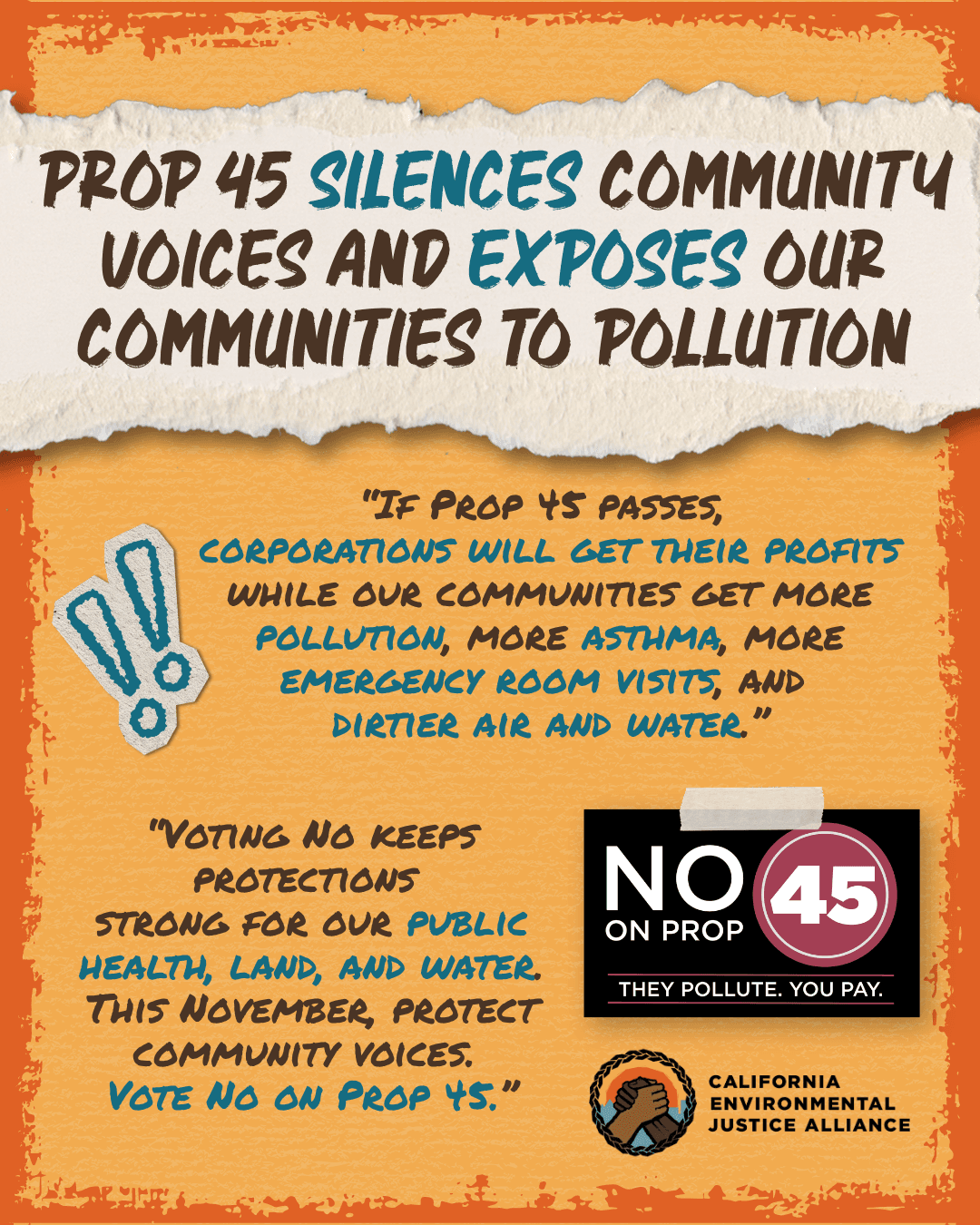
An environmental justice perspective on Prop 45, appearing on the November 2026 ballot in California. Spoiler alert: We don't like it. Vote no on Prop 45!

Environmental justice is a basic health and human right that ensures that everyone is entitled to breathe clean air, have safe drinking water, and live on uncontaminated land. It is not a difficult concept to grasp, but it is critically important and faces significant opposition. Big oil and other polluting industries are manipulating and undermining environmental justice communities as they pursue their own selfish ends for bigger and bigger profits. They protect their industry profits and bottom lines by any and every means possible, at the expense of the health of frontline communities and the environment.
Although big oil and other polluting industries have significant resources and have influenced policies in their favor for decades, we can learn and grow beyond our current systems to create a more just and equitable California. We can imagine and create systems that integrate environmental justice with equitable development practices so that California can grow responsibly, with health, economic, and environmental benefits for all residents.
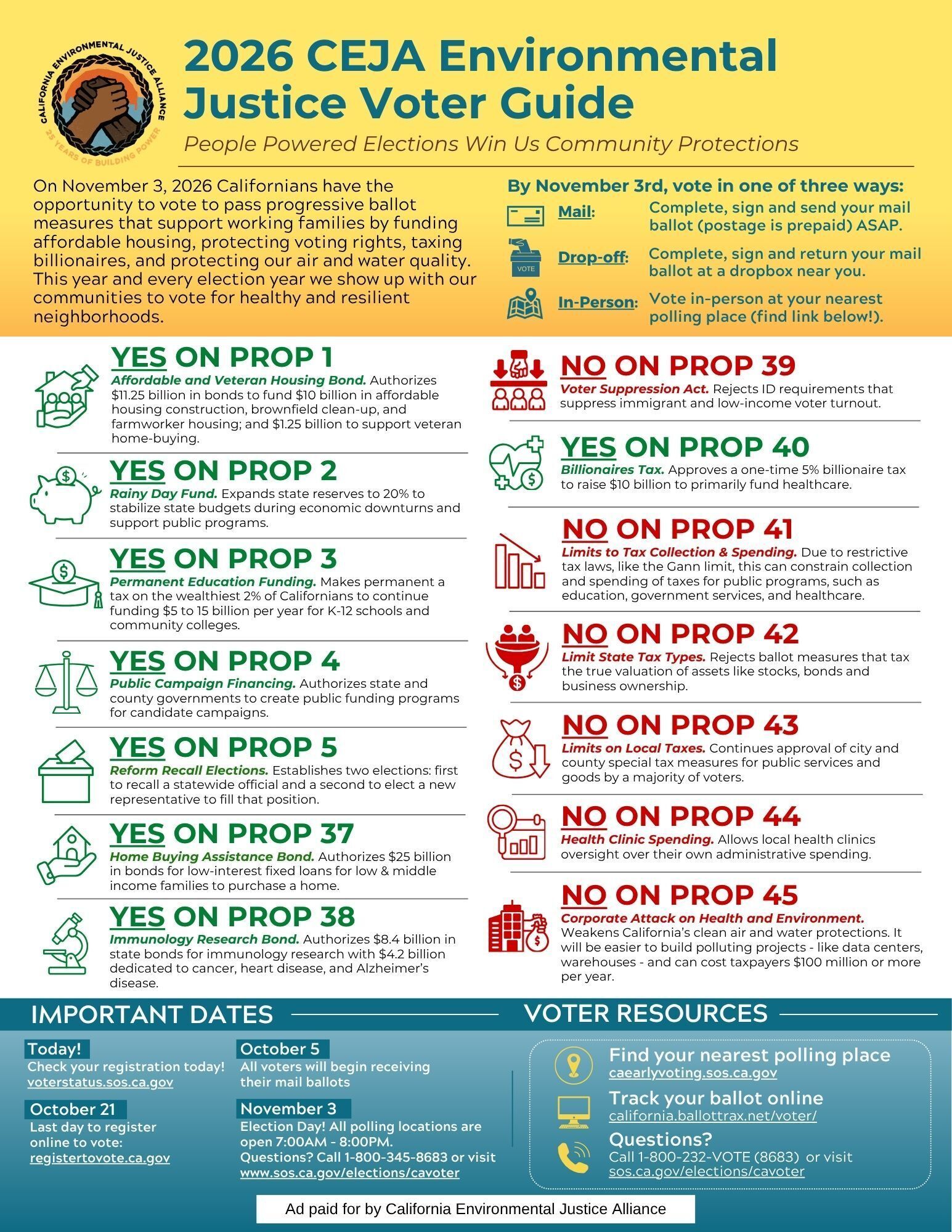
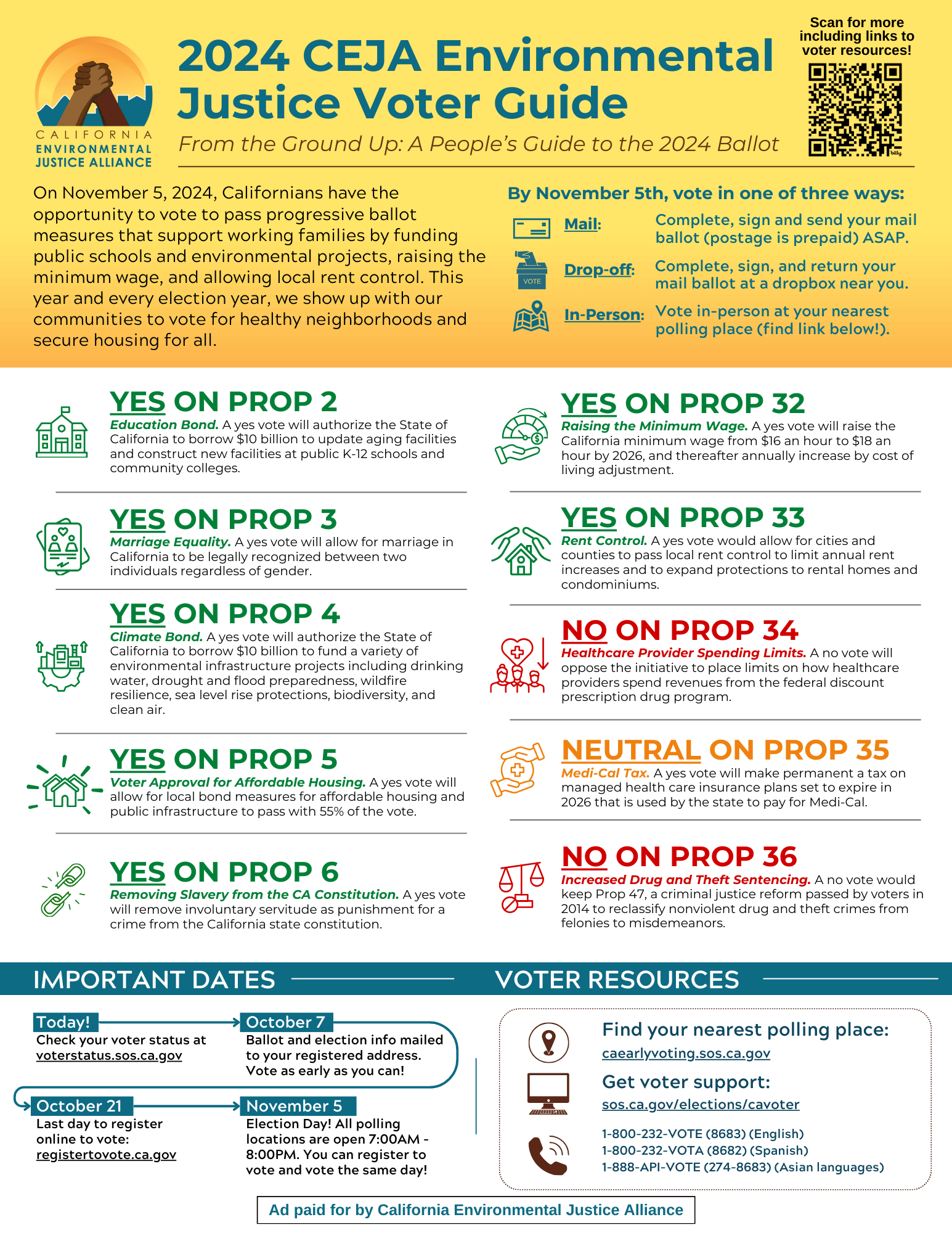
The California Environmental Justice Alliance's (CEJA) voter guide for 2026 ballot measures is based on how each measure aligns with environmental justice priorities.

On May 14, 2026, Governor Newsom released the California 2026-27 Budget May Revise. CEJA has reviewed it and noted several key points of interest.
A summary of concerns that environmental justice organizations have with the proposed 15-Day changes to the Cap-and-Invest program, including quotes from several organizations and community members.
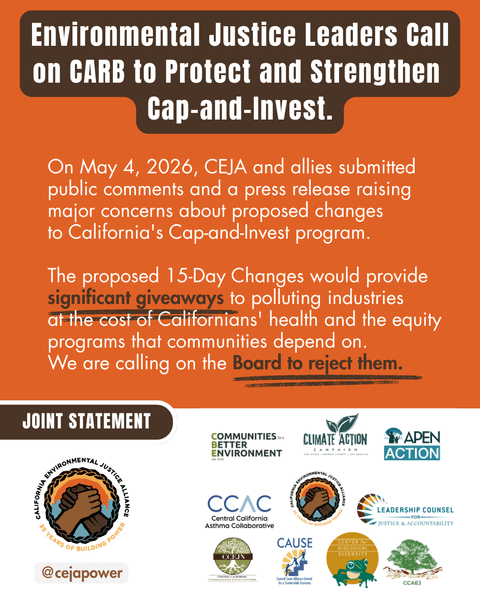
A PDF version of a joint letter submitted to the California Air Resources Board regarding the proposed 15-Day Changes to the California Cap-and-Invest program. The letter includes the logos of all ten organizations that participated in its writing and submission.
The 2026 Legislative Agenda priority bills for CEJA and CEJA Action for three issue areas: Equitable Land Use, Climate Justice, and Energy Justice.

A sneak peek at the two winning pieces of the CEJA Youth Art Contest
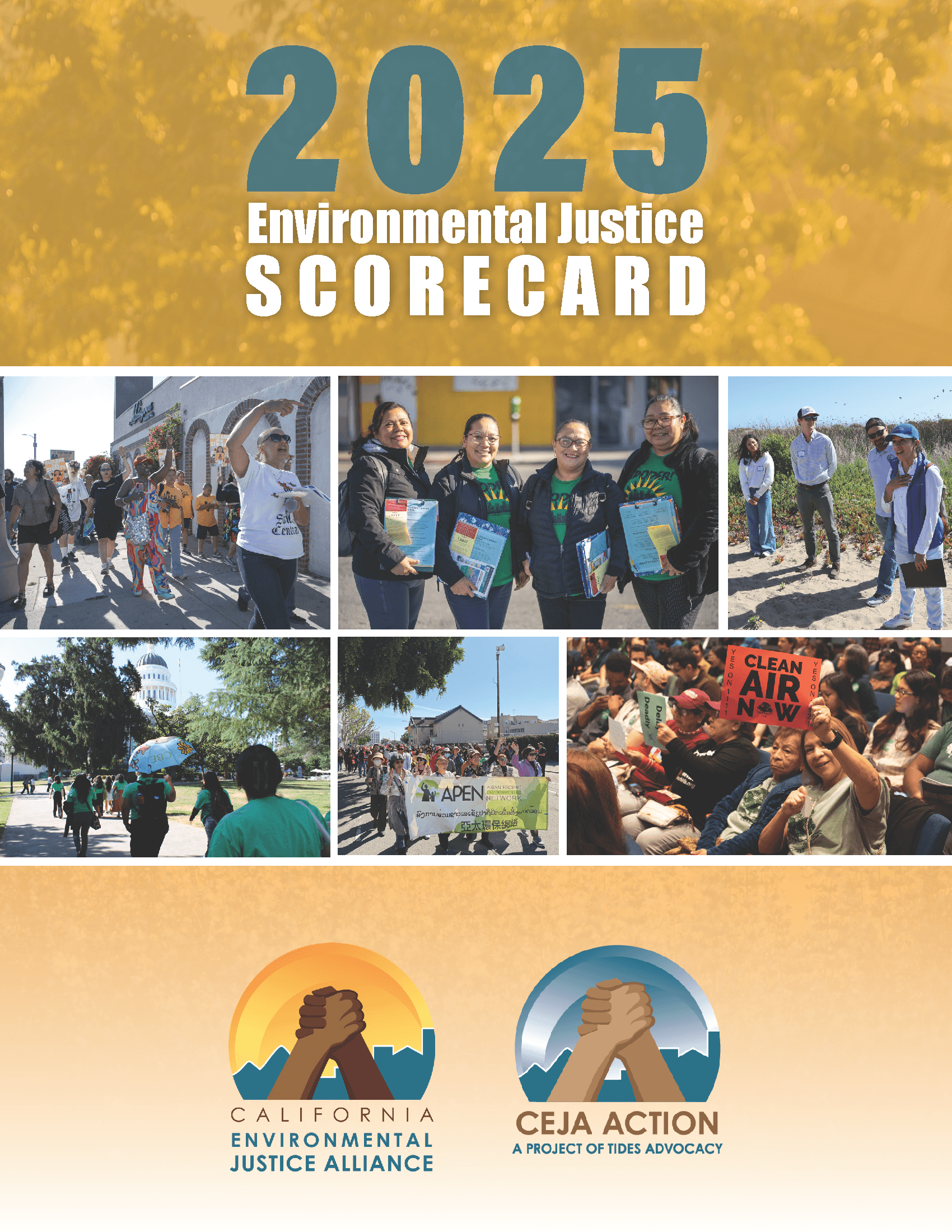
Which California Lawmakers Showed Up for Frontline Communities? With protections to our health and safety under attack at the federal level, California lawmakers faced critical choices in the last legislative session. The California Environmental Justice Alliance (CEJA) and CEJA Action’s 2025 Environmental Justice Legislative Scorecard shows who used their power to stand with frontline communities and who failed to do so.

The winning artist will receive $250 and their artwork will be featured on CEJA merchandise. Submissions are due March 15th, 2026.
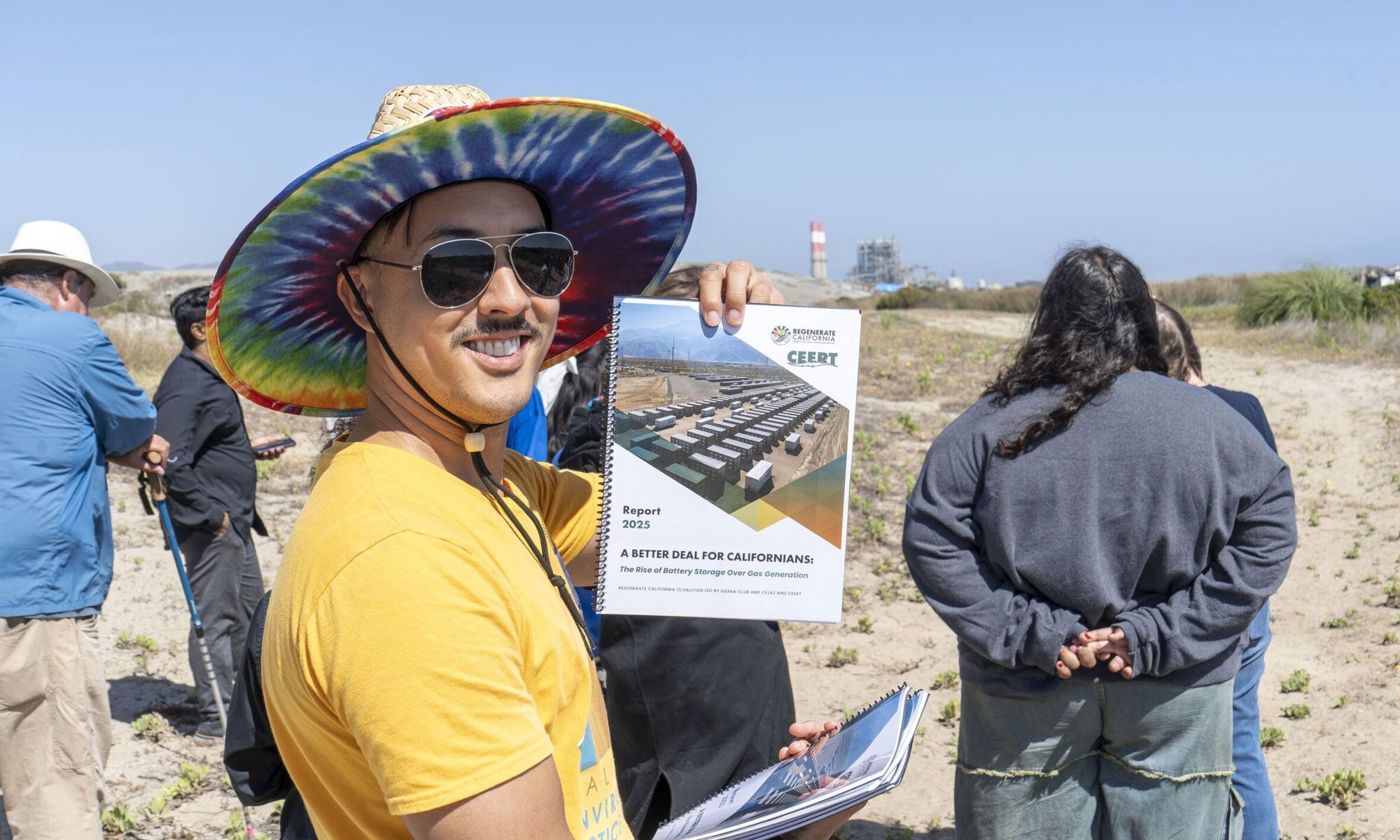
Battery storage saves Californians money while improving public health compared to gas-fired power plants, according to new research from Regenerate California (a coalition led by California Environmental Justice Alliance and Sierra Club California) and the Center for Energy Efficiency & Renewable Technologies (CEERT).

Last month, Governor Newsom’s office released its May Budget Revise that proposed various cuts, deferrals, and extensions of pivotal programs to try to close an estimated shortfall of $12 billion to balance the state’s budget.

CEJA stands with our immigrant communities and for human rights – the right to live, to breathe, to dignity, and to self-determination.
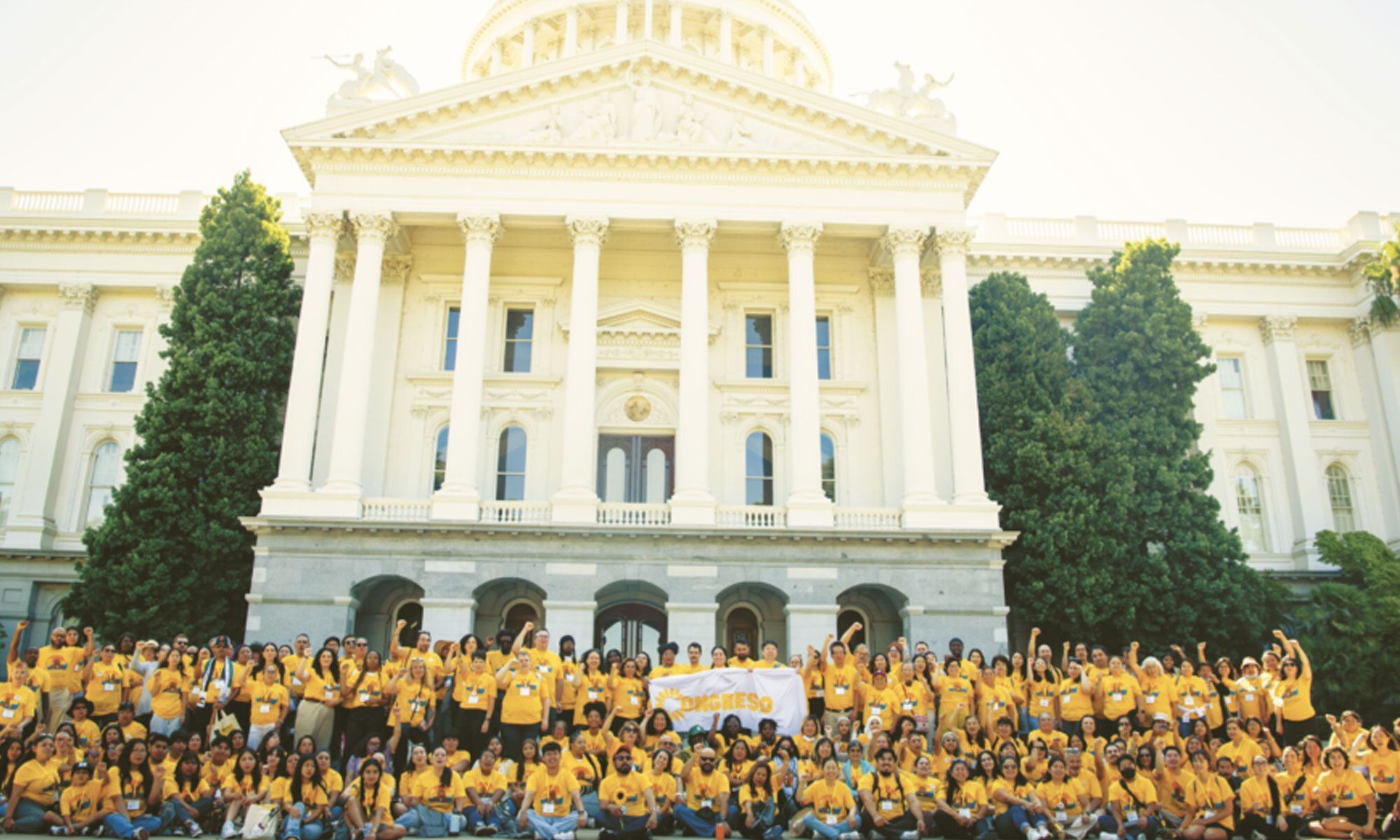
The past year of legislation saw massive victories for environmental justice communities: we defended our rights to healthy neighborhoods through oil and gas setbacks, codified local governments’ authority to restrict oil and gas pollution, and accelerated the cleanup of idle oil wells. The California Environmental Justice Alliance (CEJA) is proud of the tireless advocacy from our communities that led to these wins, and we’re looking to pass even more exciting legislation in 2025.
There are times when reality is so shocking that words fail. It feels inadequate to use language to express our devastation at the loss of lives, homes, and livelihoods raging through Los Angeles this past week.
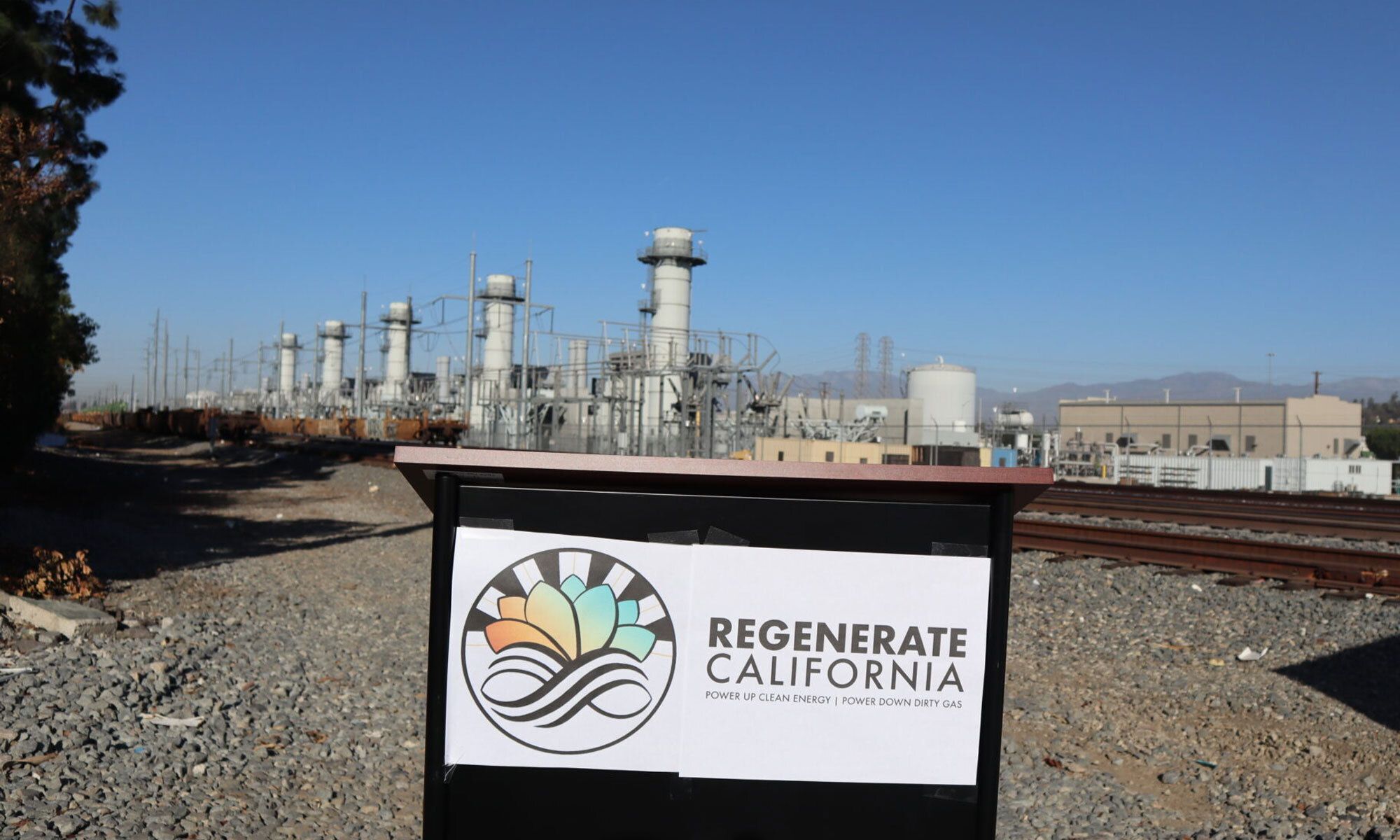
Regenerate California, a coalition led by the Sierra Club and the California Environmental Justice Alliance, commissioned a study on the emission of nitrogen oxides, or NOx, from gas-fired power plants as part of their efforts to transition California away from fossil fuels and toward 100% renewable energy.
Donald Trump has been re-elected.
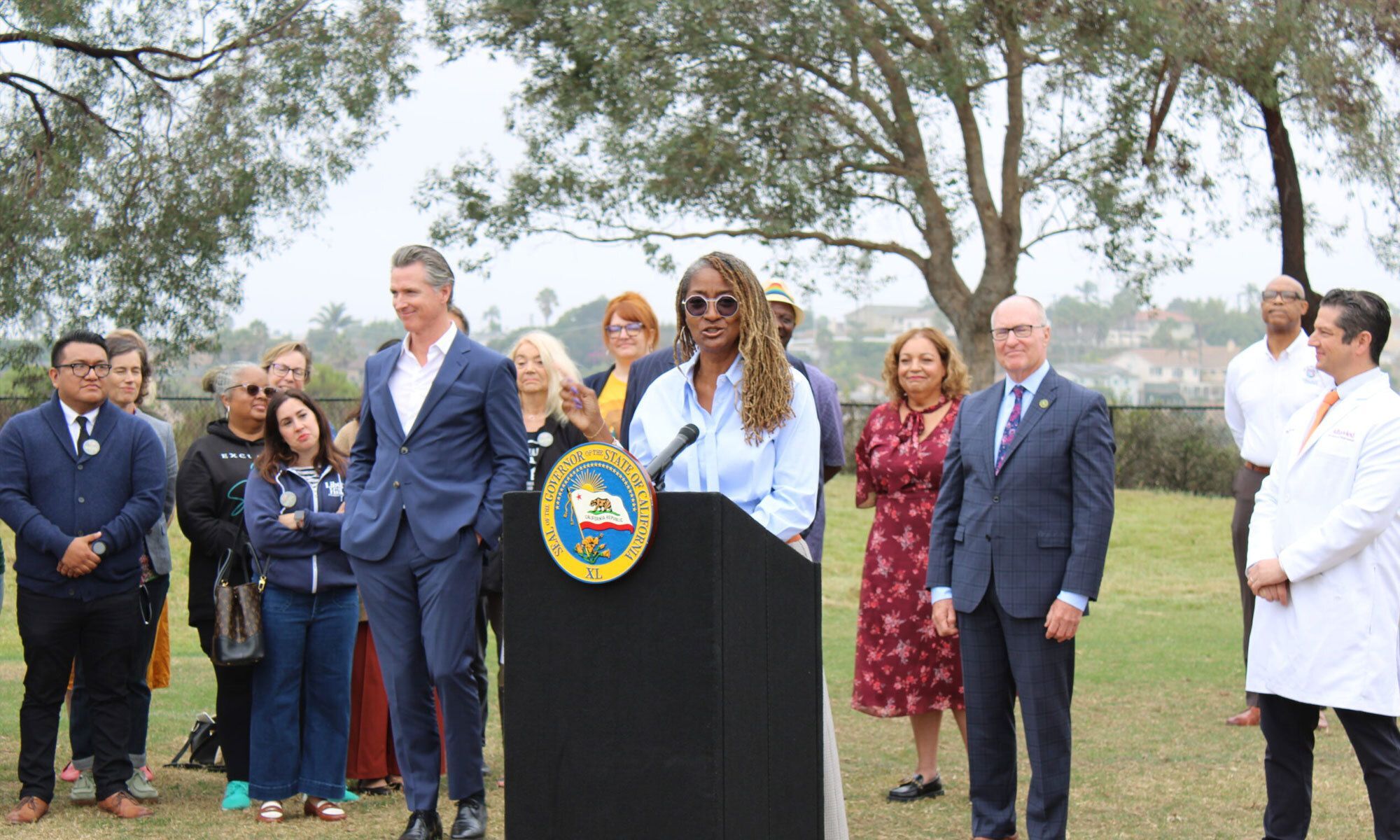
In a victory for environmental justice, local governments now have the right to defend their residents from oil and gas drilling and the state will close more idle wells
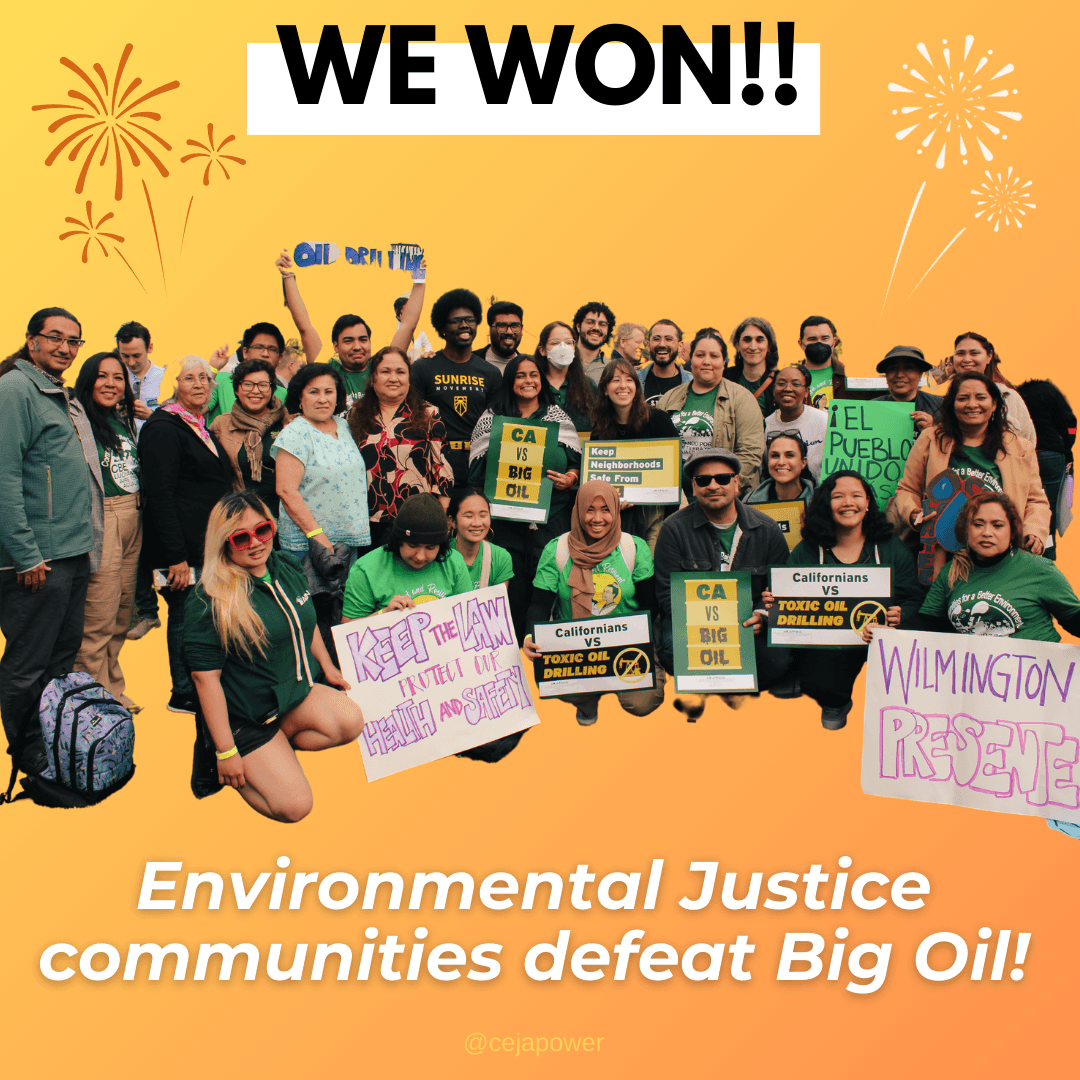
In a spectacular victory for environmental justice, communities across California defeated oil and gas giants before they even made it to the ballot.


At CEJA, we’re building a just transition away from our current extractive society and towards a sustainable future.
On October 13, 2023, the Department of Energy (DOE) announced $1.2 billion in funding for hydrogen infrastructure development in California, as part of $7 billion in hydrogen hub funding available nationwide. In response, CEJA submitted a letter to the DOE vehemently opposing California’s approach to obtaining this funding.
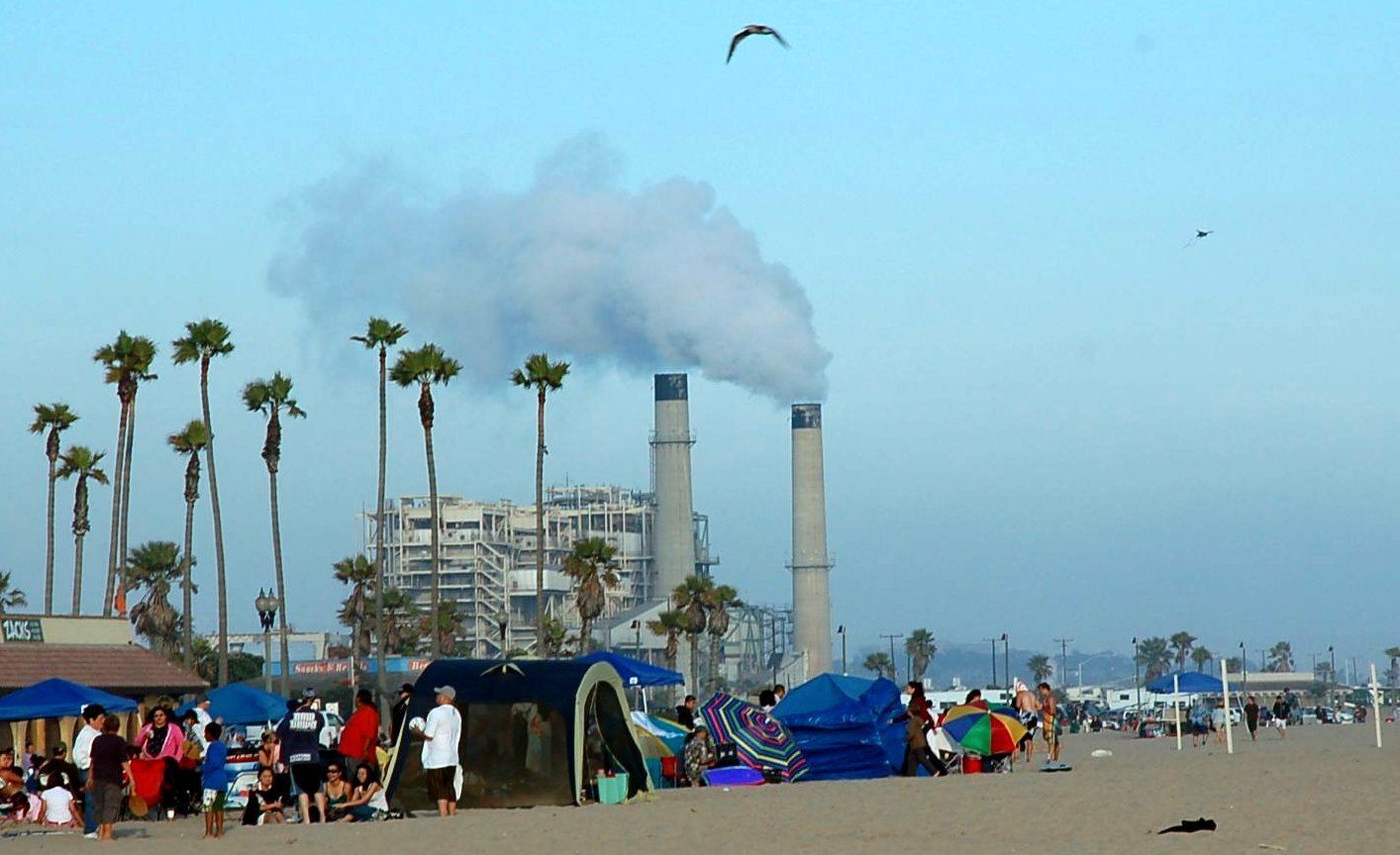
On Wednesday, August 9, the California Energy Commission (CEC) is scheduled to vote on whether to keep three toxic gas plants – Ormond Beach, Huntington, and AES Alamitos – operational for another three years.
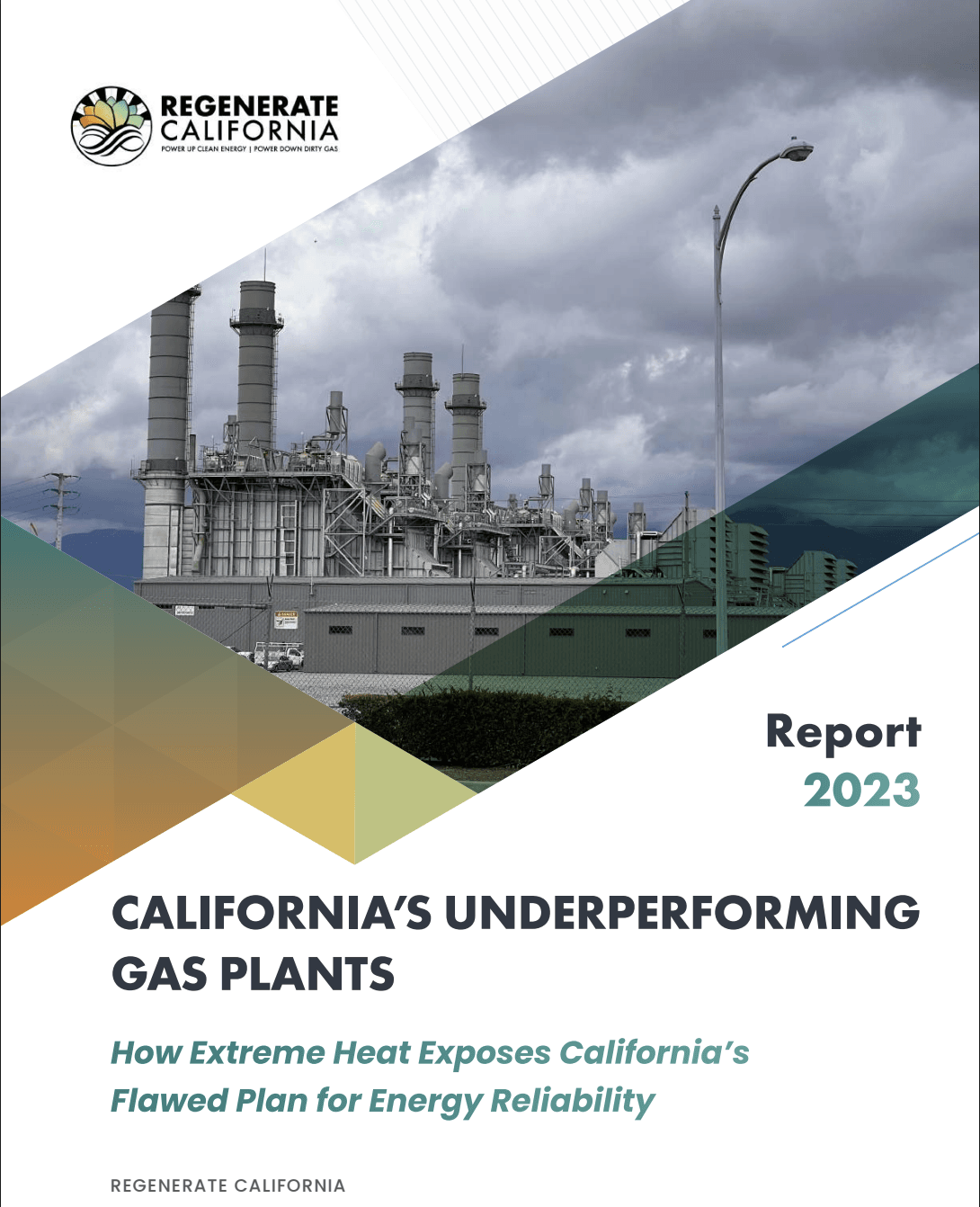
New analysis of California’s 2022 heat wave confirms gas plants failed to deliver promised power while toxic emissions soared in environmental justice communities. Results call into question Gov. Newsom’s strategy to prolong the life of gas plants to prevent energy shortfalls.
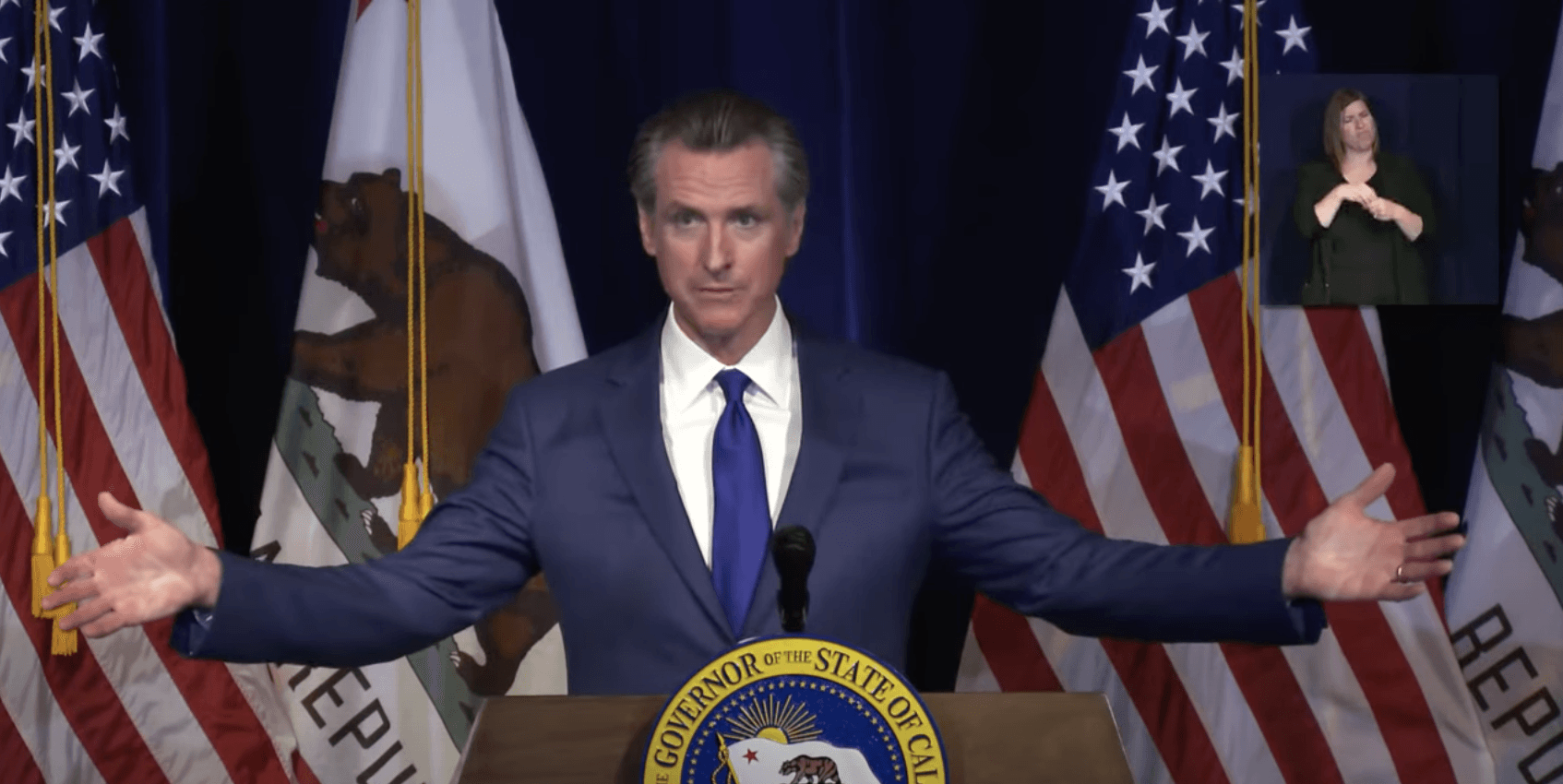
Governor Gavin Newsom released his May Budget Revision and, unfortunately, we didn’t receive the necessary environmental justice allocations CEJA wanted to see.
As CEJA eagerly awaits the Governor’s May Revise announcement this Friday, May 12, we want to share our assessment of what a just and equitable budget must include.
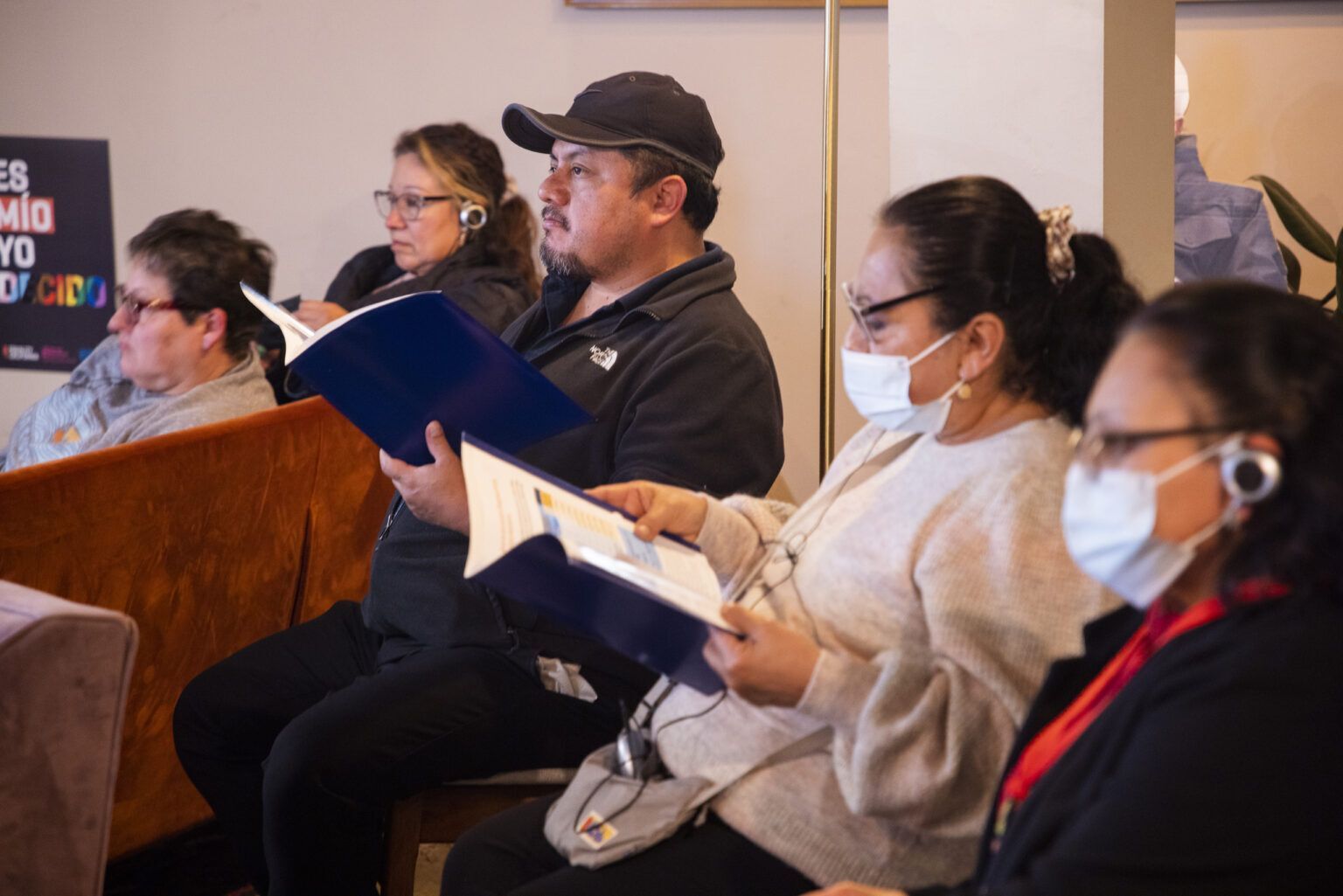
The soaring cost of energy has been impossible to ignore this past winter. We’ve seen energy bills reaching $300, $500, and even $900 all over news headlines, social media, and of course, in the mailboxes of families who are already experiencing financial stress from rising inflation and housing costs.
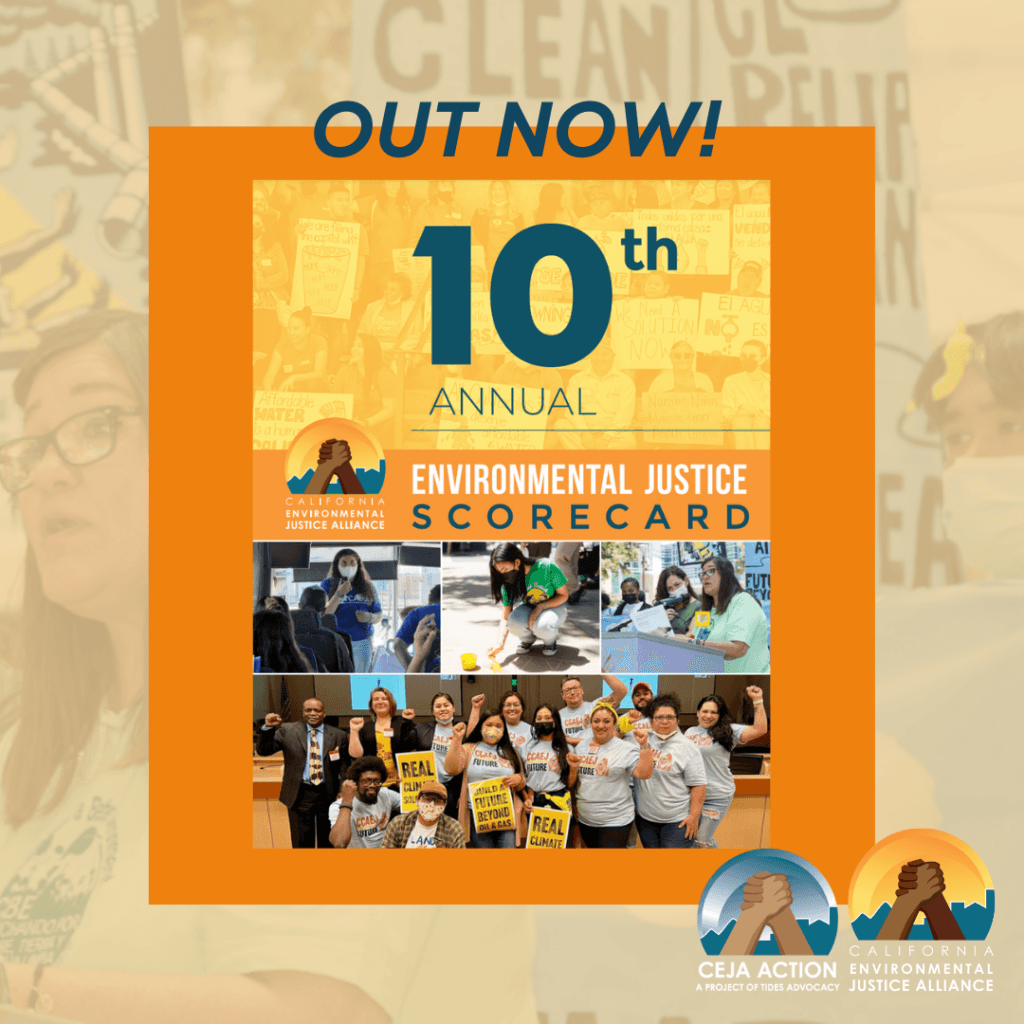
Ten years after CEJA released our first environmental justice scorecard, we have seen incredible progress in lawmakers’ awareness of environmental and climate justice issues. In 2022, grassroots organizing and advocacy propelled four of our priority bills onto the governor’s desk, and three were signed into law.
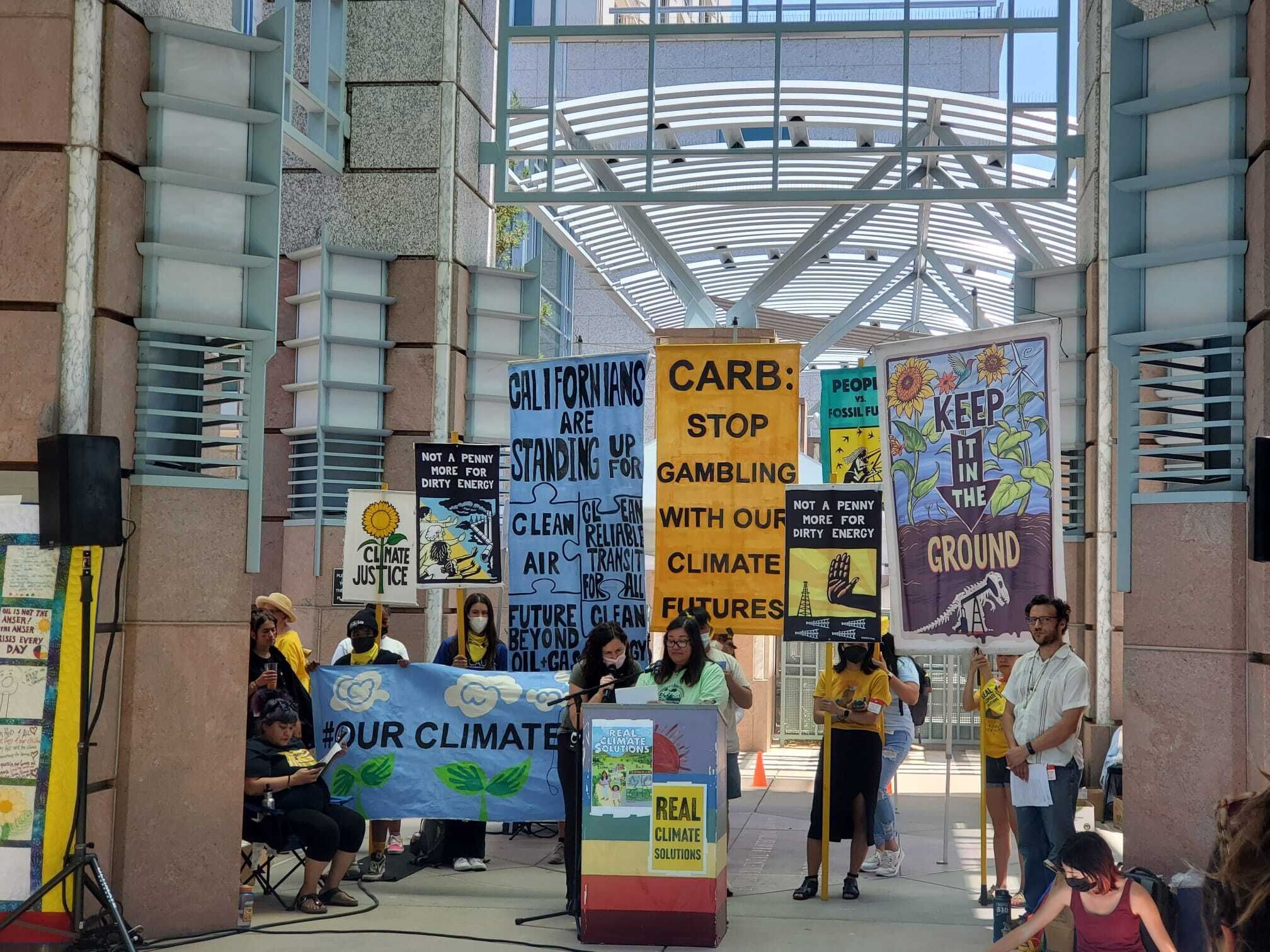
Too often, California regulatory policy remains a black box: difficult to understand and navigate as a concerned and impacted resident, and far too easy to engage as a wealthy lobbyist.
California Air Resources Board Votes to Approve State Climate Plan; The Catch: Billions in Anticipated Subsidies for Carbon Capture Schemes
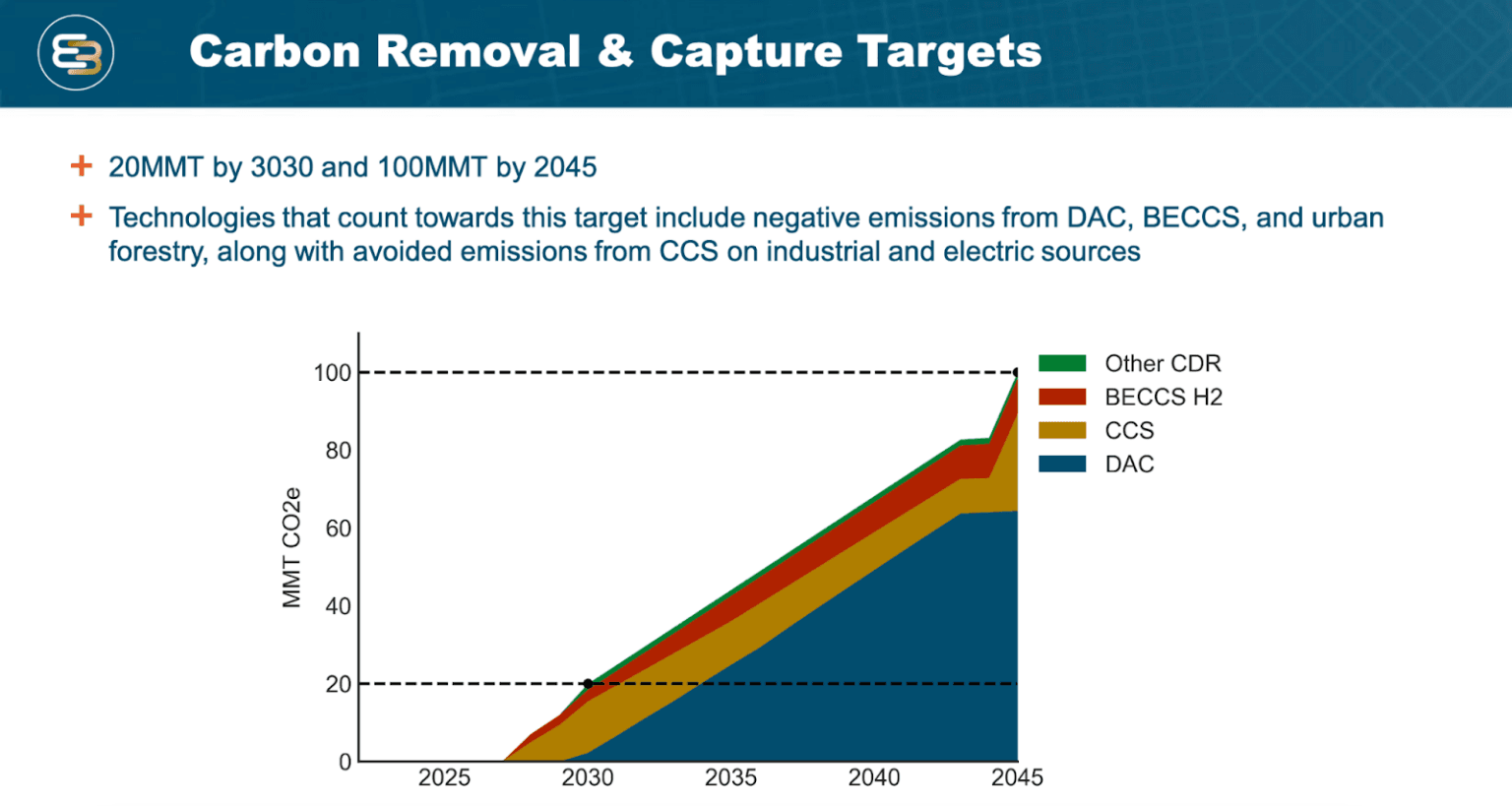
Groups note major improvements in scaling up mass transit, stopping the expansion of gas power plants, and planning for a coordinated phasedown of oil production; warn that reliance on carbon capture schemes for fossil fuel infrastructure derails meaningful climate action.
CEJA is seeking a Communications Director to lead narrative strategy at the largest statewide environmental justice coalition in California.
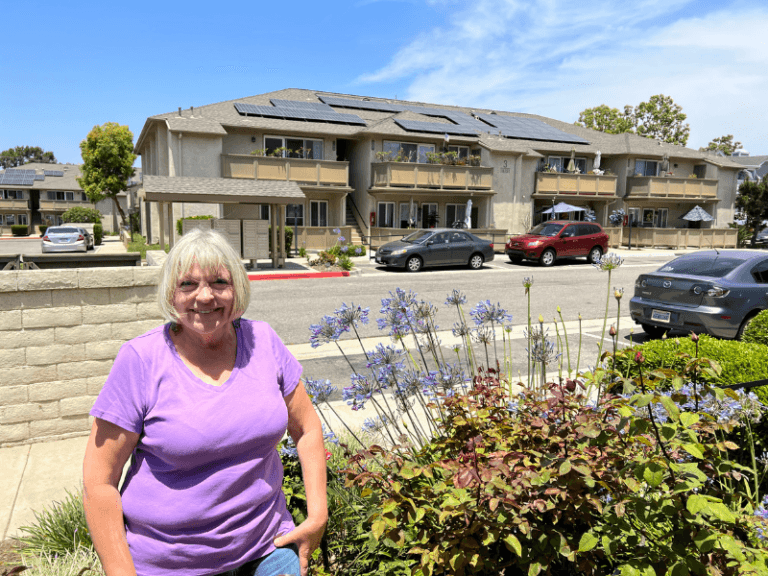
Living in California is expensive, and rising energy bills makes it harder. While the state has championed renewable energy solutions, not all residents are able to shoulder the up-front costs in order to receive the benefits of those programs.

For months, we’ve been organizing, marching, calling, emailing, and submitting public comments calling on the California Air Resources Board to help build a future beyond oil and gas. But Big Oil aren’t going to go down without a fight.
The California Environmental Justice Alliance (CEJA) aims to hire the first of two Co-Executive Directors by the Fall of 2022. Once the first Co-Executive Director is hired, they will serve as the Interim Executive Director until the other Co-Executive Director is hired and will have a role in the hiring of the second Co-Executive Director. CEJA also welcomes two applicants with a prior history of collaboration who want to apply together as Co-Executive Directors.
The California Environmental Justice Alliance (CEJA) is a statewide, community-led alliance that works to achieve environmental justice by advancing policy solutions. We unite the powerful local organizing of our members in the communities most impacted by environmental hazards – low-income communities and communities of color (immigrant communities) – to improve environmental health by creating comprehensive opportunities for change at a statewide level.
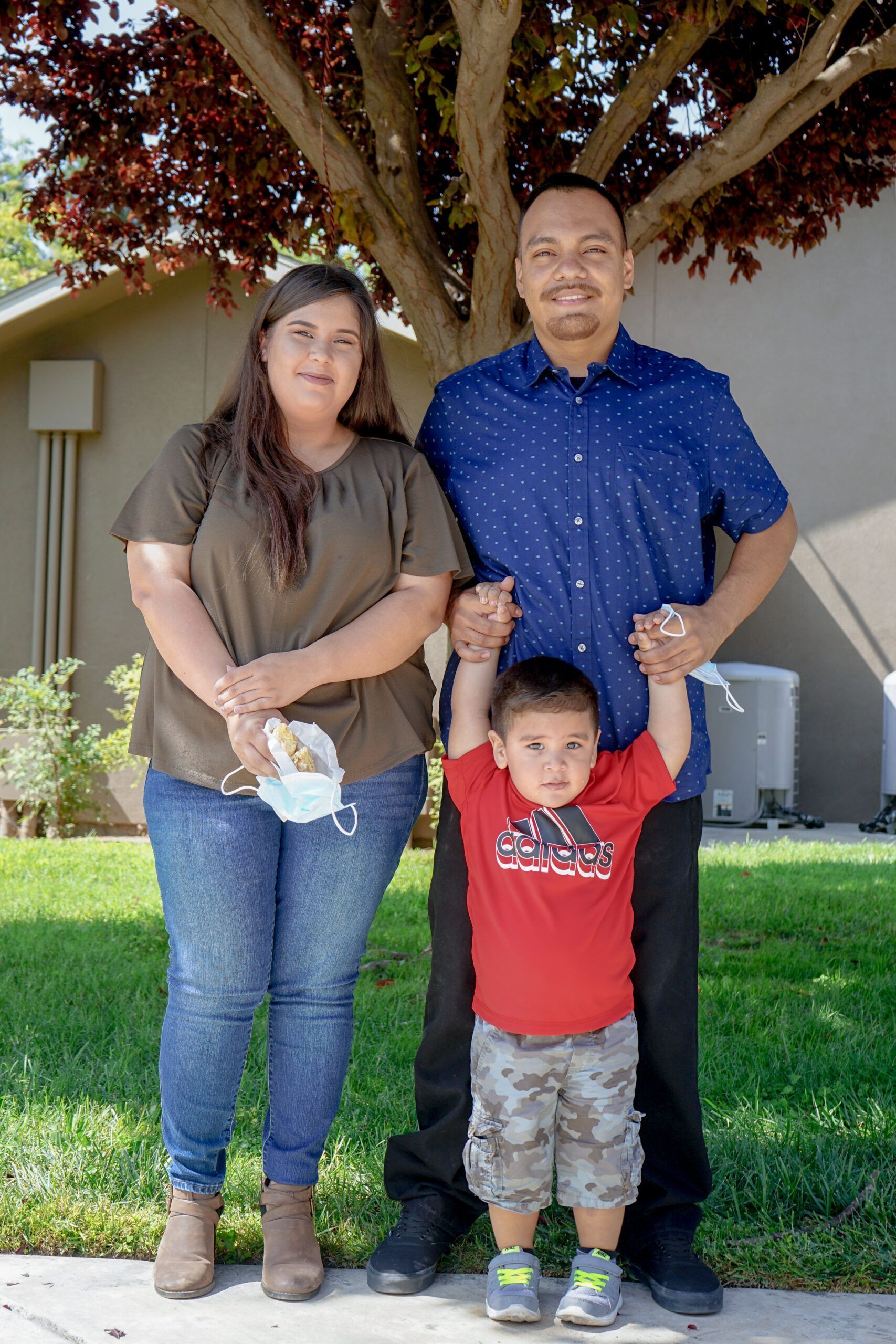
In California and across the country, working class communities of color face disproportionately large energy burdens. The Solar on Multifamily Affordable Housing (SOMAH) Program is one example of a successful program counteracting energy debt by providing solar energy—and economic benefits— to low income tenants. The families of Sand Creek Apartments, a 60-unit multifamily affordable housing community located in Orosi, CA, felt the increasing financial strain as more and more of their income went to energy bills.
Working families, advocates say state draft plan is grossly out of touch with lived reality in communities that experience suffocating pollution and doubles down on fossil fuels at a time…
One hundred and twenty eight scientists and academics urge Governor Newsom and the California Air Resources Board to fix flawed Scoping Plan that sets back California’s climate goals.
108 Organizations Call for a Just and Ambitious Scoping Plan File Link: 108-Organizations-Call-for-A-Just-and-Ambitious-Scoping-Plan.pdf
More than 108 organizations slam California Air Resources Board climate policy blueprint as setback for state and world, call for urgent changes in letter to Governor Newsom.
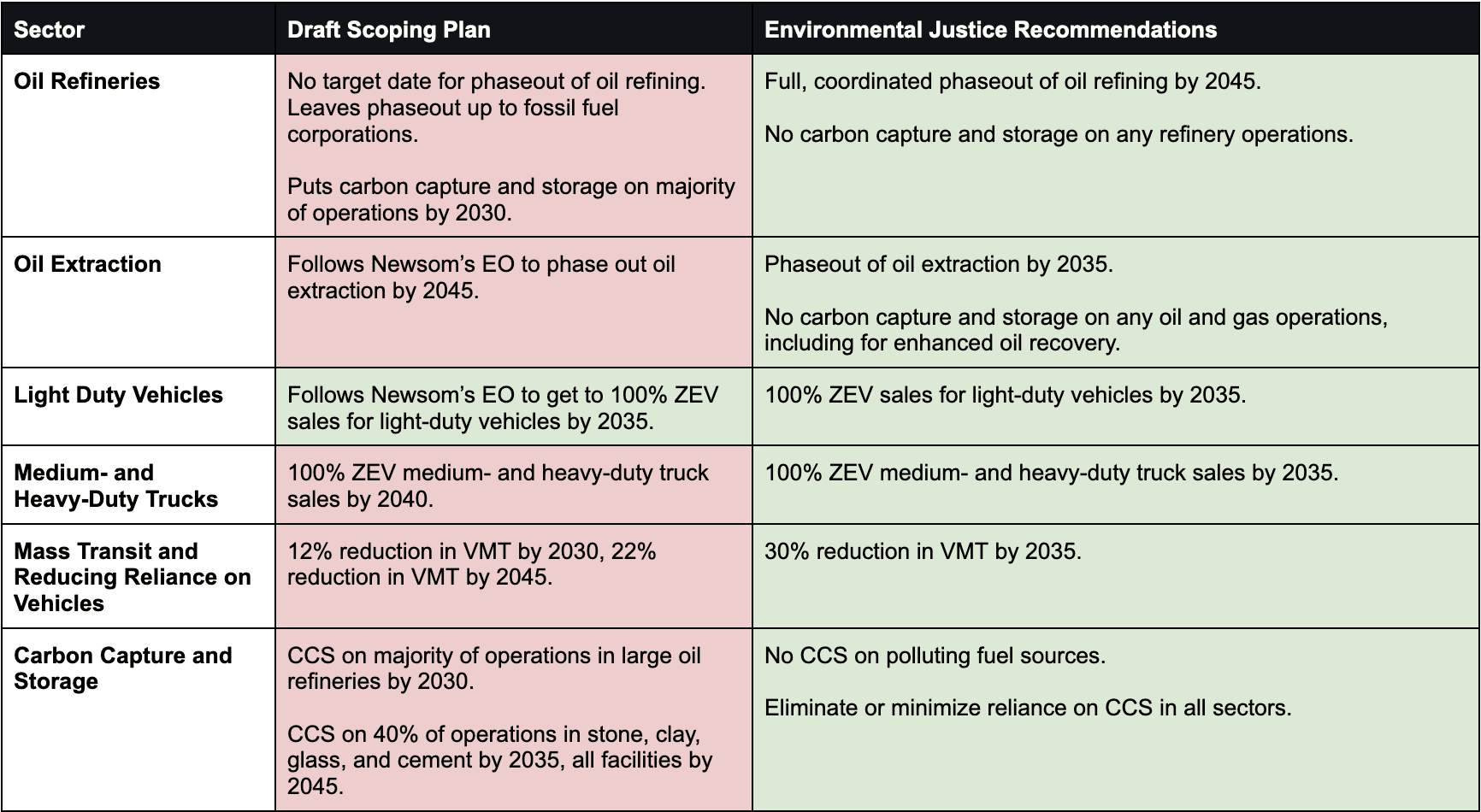
Environmental Justice groups urge the California Air Resources Board to phase out fossil fuels by 2045 and build a clean energy future that works for all Californians.
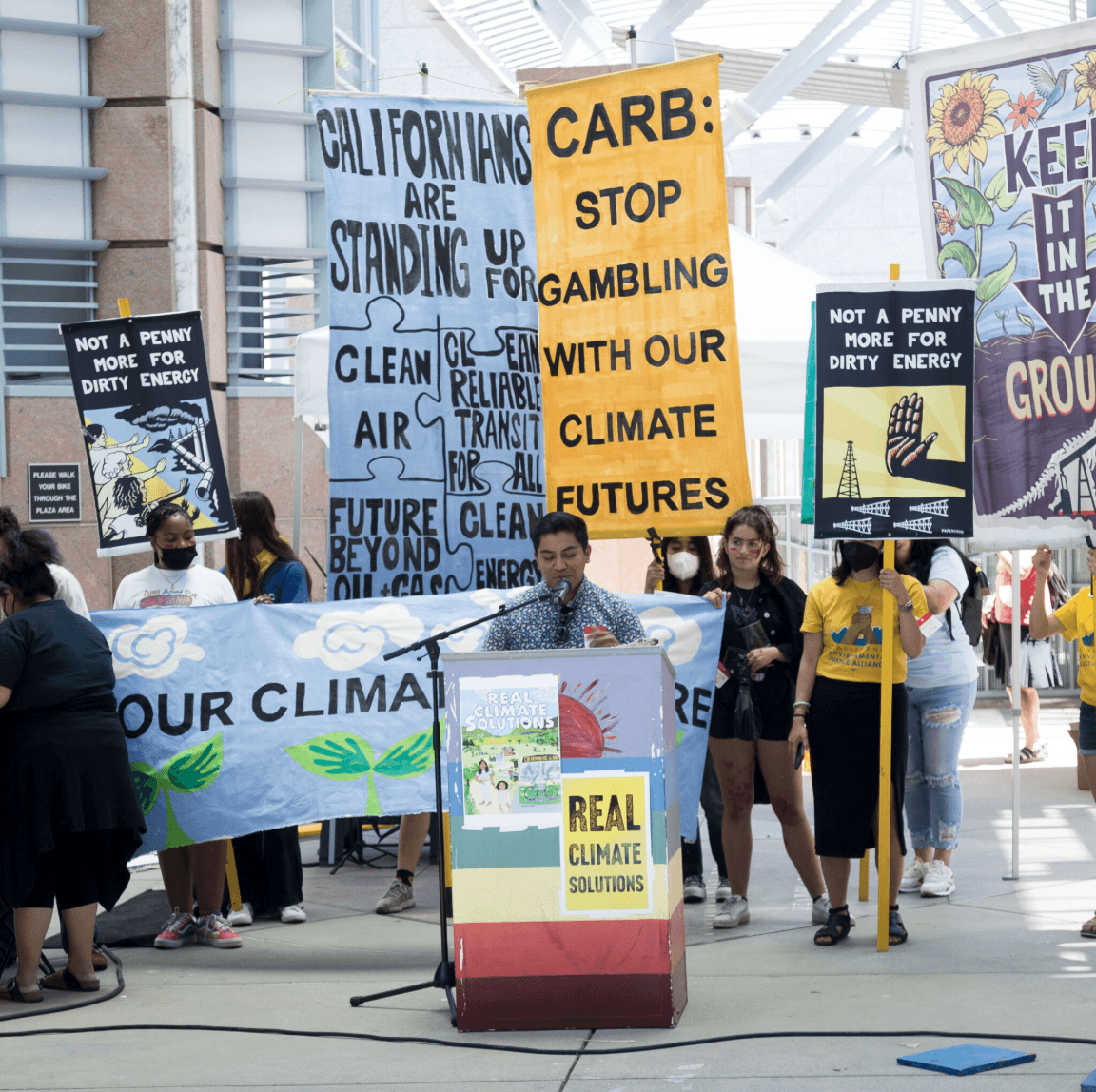
As the California Air Resources Board (CARB) develops the 2022 Climate Change Scoping Plan, a blueprint that will guide the next twenty years of climate action, we urge you to put California on the path to a full coordinated phase out of fossil fuels, and ensure that the communities most harmed by the fossil fuel industry benefit from the transition to clean, zero-emissions energy.
Groups urge CARB to scale up investments in mass transit, electric car and truck programs for low-income Californians.
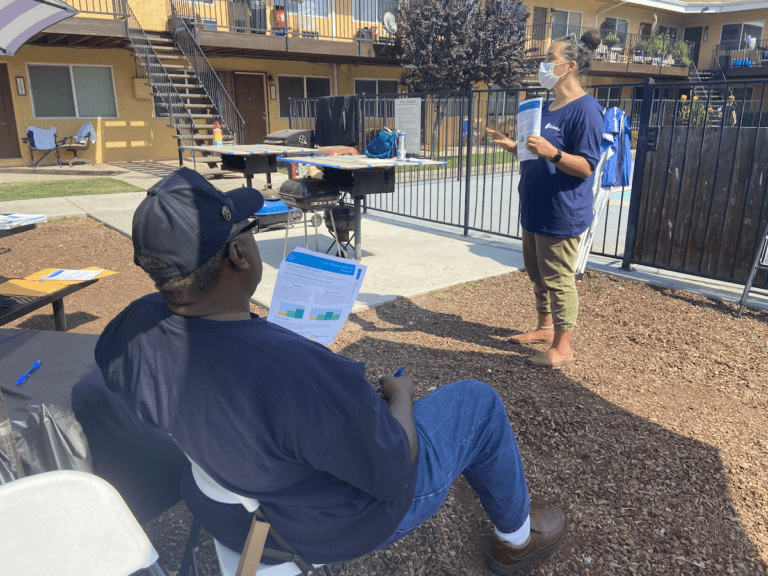
If the SOMAH program is to be successful, centering tenant voices and rights is critical. This is why tenant education and empowerment must continue to be at the forefront of the implementation of the SOMAH program.
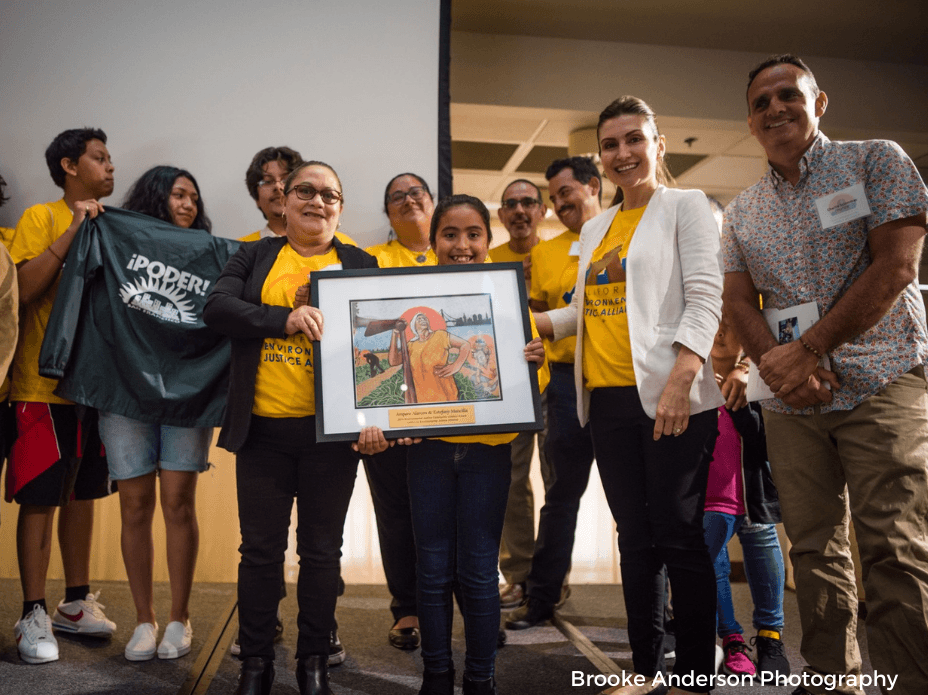
With gratitude and appreciation we write to share that Gladys Limón will be transitioning out of her role as CEJA Executive Director after four years of bold and impactful leadership of our alliance. It’s been a privilege to partner with Gladys in leading CEJA through exponential growth and the strengthening of our collective political power.
